Listen to this article
Most budgets run fine until a big once-a-year bill lands. Car insurance, the annual software renewal, holiday gifts, the property tax notice. None of them are surprises, exactly. You knew they were coming. They just never fit the month they arrive in.
A sinking fund fixes that. Instead of scrambling in the month a bill is due, you set aside a small amount every month, so the money is already waiting when the bill shows up.

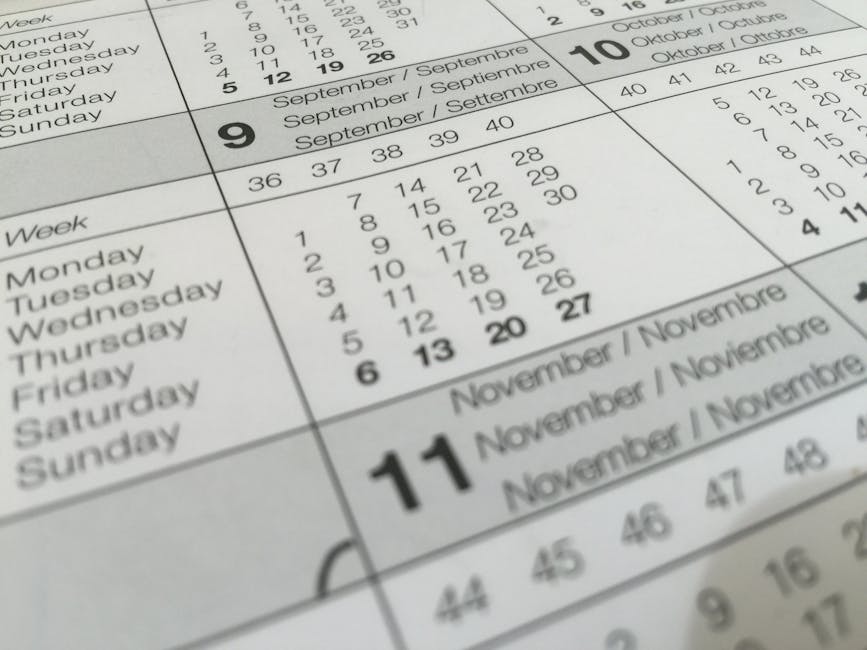
Photo by Nick Fewings on Unsplash
What a sinking fund actually is
A sinking fund is a pot of money you build up on purpose for a known future expense. The idea is old and a little boring, which is exactly why it works. You take the full yearly cost, divide it across the months you have, and save that slice every month.
Tip
The math is simple. Take the annual cost and divide by 12. A $720 insurance premium becomes $60 a month. By renewal time the full amount is already sitting there, and your other envelopes never felt the hit.
How to set one up in WIMM
WIMM envelope budgeting is built for exactly this. Each envelope holds money that rolls over from month to month, so a sinking fund is really just an envelope you feed a little at a time.
- Create an envelope for the bill, for example "Car insurance".
- Set its monthly target to the yearly cost divided by 12.
- Each month, assign that amount when you give every dollar a job.
- Watch the balance grow. WIMM carries it forward, so nothing resets at month end.
When the bill finally arrives, you pay it straight from the envelope. The balance drops back toward zero and starts climbing again for next year.
A bill you planned for is just a transfer. A bill you forgot is an emergency.
— The whole point of planning ahead
Which bills deserve a sinking fund
Any expense that is large, predictable, and not monthly is a good candidate:
- Insurance premiums paid every six or twelve months
- Car registration and inspection
- Property or income taxes
- Annual subscriptions and memberships
- Holiday and birthday gifts
- Routine car maintenance and new tires
Start with the one that scares you most. Even funding it halfway this year turns next year's panic into a quiet transfer.
Try it in two minutes
You do not have to commit anything to see how it feels. Open the WIMM demo in budgets mode, add an envelope for a yearly bill, and set a monthly target. The demo loads sample data, so you can watch a sinking fund grow without touching your real accounts.
When you are ready, the same flow works on your own money. Give every dollar a job, let the envelopes carry forward, and let the once-a-year bills stop being a once-a-year crisis.
Try WIMM today
The demo loads with realistic data and no signup. See what this article describes in action.